v1.0 · May 2026
My Morning Protocol
This is what I personally do every morning. It's my system, not a prescription. The science I reference is what I believe supports my choices. For your own decisions, consult a professional.
07:30 - 08:00
30 min · Daily
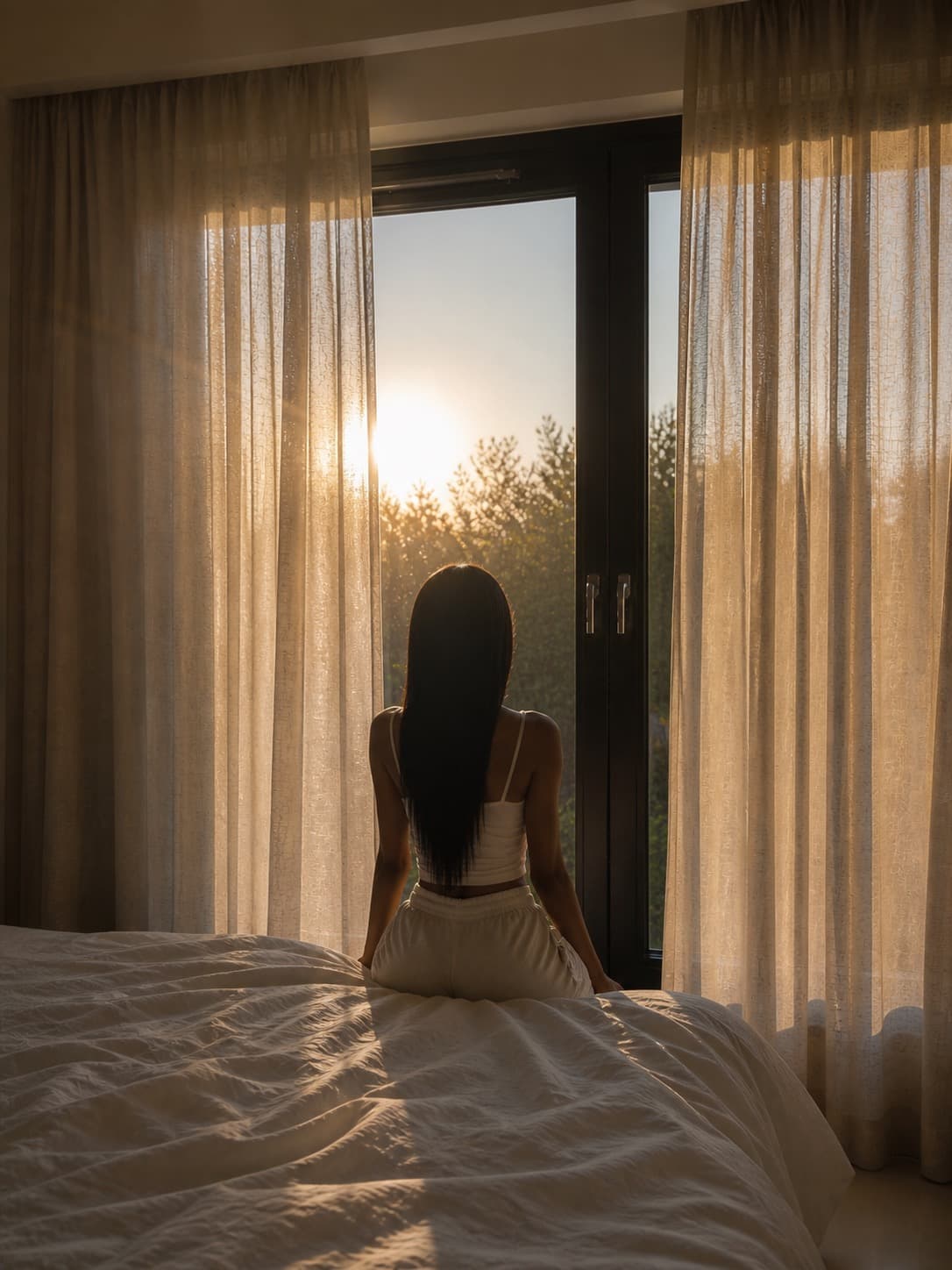
Wake up + Natural light
I get up at 07:30. I open the curtains and expose myself to natural light within the first 5 minutes. No screen before 8:00.
WhyNatural light in the first 30 minutes after waking activates the morning cortisol release, which sets the circadian rhythm for the entire day. That circadian alignment influences the next night's sleep quality, insulin sensitivity, and hormonal regulation.
5 min natural light · open window or outdoors
Oral care routine
Coconut oil pulling, tongue scraping, brushing. I do the oil pulling simultaneously with my light exposure, they combine naturally.
WhyOil pulling reduces bacterial load in the mouth before it disseminates through the body via swallowing. Tongue scraping removes toxins accumulated during sleep, an Ayurvedic practice that oral microbiome research is beginning to validate.
10 min oil pulling (coconut oil) · tongue scraper · brush
Cellular hydration
A large glass of filtered water with a mix of electrolytes, glycine, a small amount of raw honey, and vitamin C.
WhySleep dehydrates at the cellular level. Electrolytes restore osmotic balance before any other input. Glycine supports glutathione synthesis. Vitamin C acts as a cofactor in several enzymatic reactions early in the day.
My noteThe raw honey is a personal choice. I take it in small amounts because I observe a sense of energy stability with it, but the scientific literature on this specific use is limited. I share it for transparency, not as a recommendation.
500 ml filtered water · 1 tsp electrolyte blend · 3g glycine · 1 tsp raw honey · 500 mg vitamin C
08:00 - 09:15
75 min · Daily
Lymphatic activation + Contrast shower
Dry brushing on the whole body in movements toward the heart. Gua sha on the face. Warm shower, then 30 to 60 seconds of cold water at the end.
WhyThe lymphatic system has no pump of its own. It depends on muscular movement, deep breathing, and external stimulation to drain. Dry brushing and gua sha mechanically activate that circulation. The hot-cold contrast stimulates the autonomic nervous system.
3-5 min dry brushing · 2 min gua sha · 5 min warm shower · 30-60 sec cold
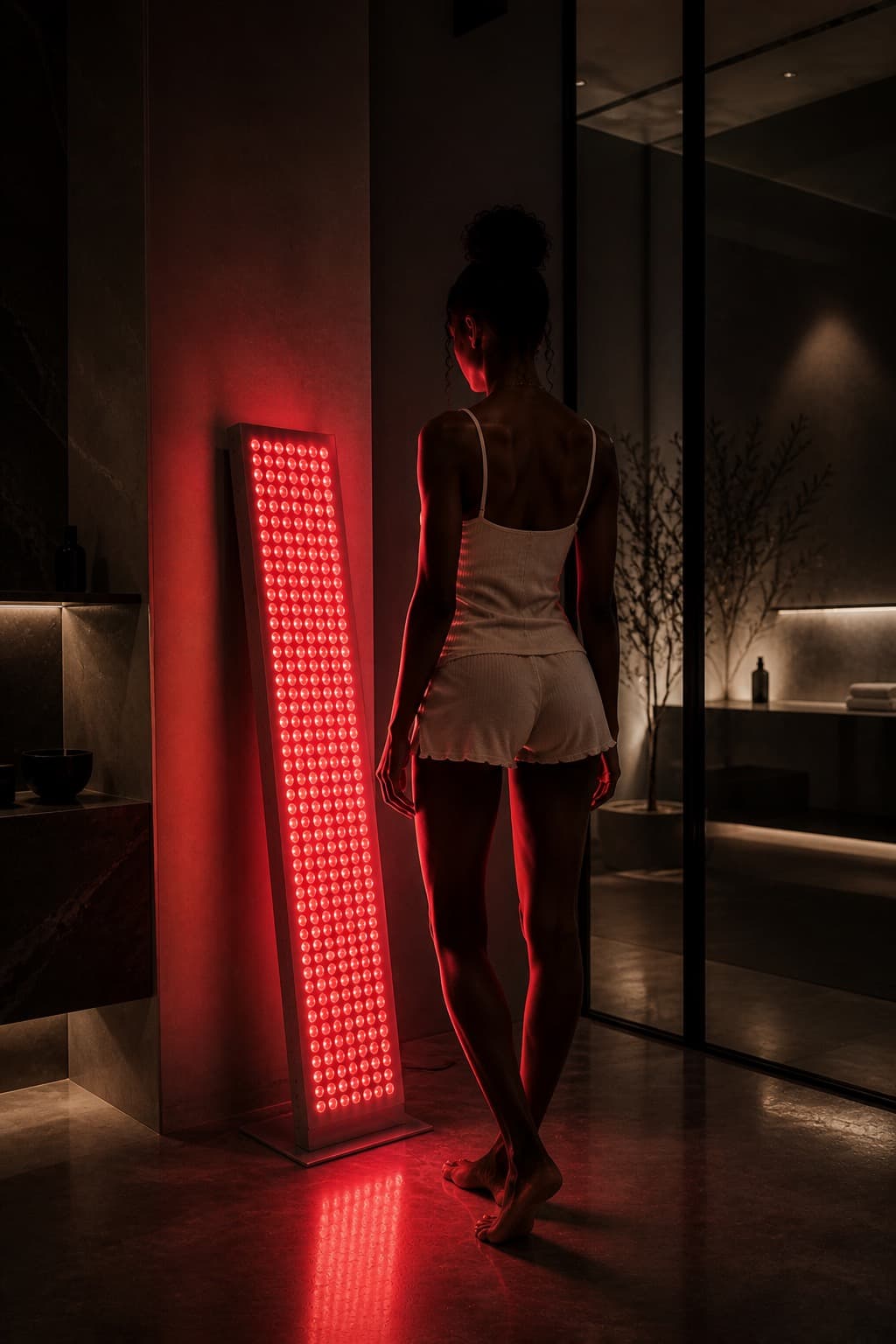
Red light therapy
Full-body red and near-infrared light panel exposure, face and body. I do this while mentally preparing for the day.
WhyRed light (630-660 nm) and near-infrared (810-850 nm) stimulates mitochondrial ATP production, reduces inflammation, and supports collagen synthesis. Photobiomodulation studies show measurable effects on muscle recovery, skin quality, and thyroid function.
My noteI don't do this daily, 2 to 3 times per week depending on my cycle phase and recovery level.
15 min · full-body panel · 2-3x/week
Fasted walk
30 to 40 minutes fasted walk outdoors, with direct sun exposure. At the start, I check my recovery data (HRV, sleep score, skin temperature) on my wearable. This is the moment that calibrates the intensity of everything that follows.
WhyFasted walking activates gentle lipolysis, improves insulin sensitivity before the first meal, and combines metabolic movement and light exposure in one intervention. HRV checked during the walk, without the interference of cognitive stress, gives a more accurate read of actual recovery state.
30-40 min · ~3,000 steps · moderate pace · direct sun exposure · HRV + sleep review at the start of the walk
09:15 - 10:00
45 min · Daily
Conscious breathing
10 minutes near a salt air tower, or in conscious breathing near an open window. No phone. Just breathing.
WhyConscious breathing, even for 10 minutes, activates the parasympathetic system and increases vagal tone. This moment creates a nervous system transition between the active mode of the morning and the cognitive focus of the day.
My noteThe salt air tower is my personal ritual. The specific benefits of mineral-enriched air in an urban environment remain under-documented. I do it for the breathing and the ritual, not for benefits I could scientifically confirm.
10 min · uninterrupted · no phone
Supplement stack
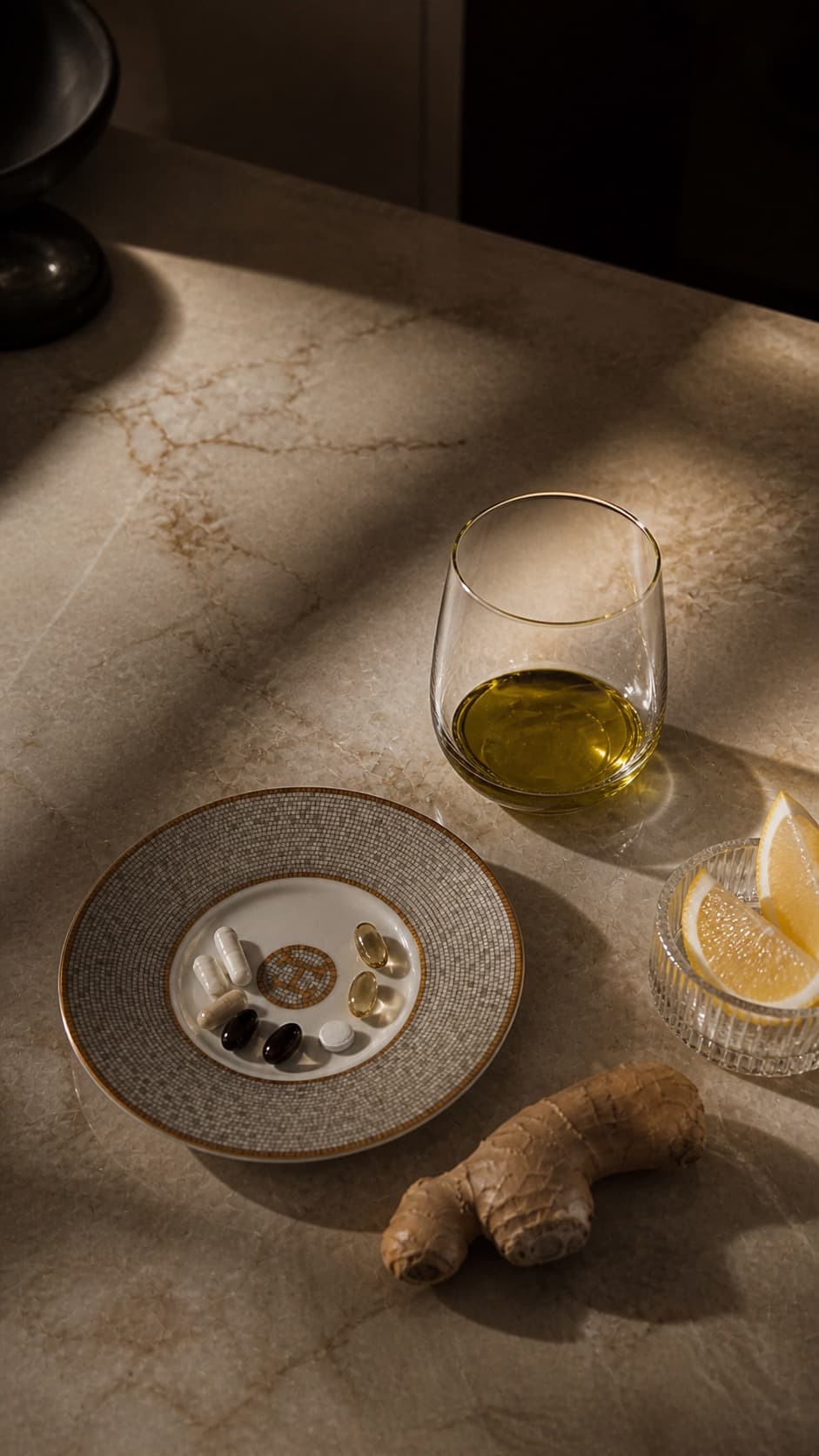
Pre-breakfast: extra virgin olive oil with lemon and ginger, to prepare digestion. With breakfast: D3 + K2, collagen, omega-3, citrulline, CoQ10 + PQQ, selenium, zinc or copper depending on the day.
WhyFat-soluble vitamins absorb best with a fat-containing meal. Collagen taken with vitamin C maximizes synthesis. Omega-3 have better bioavailability with a fatty meal. Mitochondrial antioxidants like CoQ10 and PQQ support cellular energy production. Aligning with the first meal follows the metabolic circadian rhythm.
My noteVitamin D supplementation is well-established for European populations where deficiency is common. The other choices are based on my own analysis of my needs.
D3 + K2 · Collagen · Omega-3 · Citrulline · CoQ10 + PQQ · Selenium · Zinc or Copper depending on the day
First meal
Mediterranean breakfast around 10:00. Protein from eggs or sardines. Complex carbohydrates, often quinoa or oats. Healthy fats from olive or avocado. Cooked vegetables. Coffee at the end.
WhyEating the first meal after 12 to 14 hours of overnight fasting respects the natural metabolic rhythm. Starting with protein stabilizes blood sugar for the hours that follow. Coffee after the meal avoids combining the morning cortisol peak with caffeine.
450-500 kcal · 35-40g protein · coffee at the end of the meal only
After 10:00.
The fixed protocol stops here. What comes next, training or rest, fasting or eating, load or recovery, depends on a variable no one can standardize: your current biology.
Your cycle phase. Last night's HRV. Your stress load over the last 48 hours. These variables shift every day. What's optimal today can be counterproductive tomorrow.
That's what Ava is for.
Discover Ava Longevity→Last updated: May 2026 · Version 1.0
Next update when something meaningful changes.